Trump Administration Bans Foreign Routers in the United States
The U.S. Federal Communications Commission (FCC) has implemented a new ban on the import of foreign-made routers that have not yet received approval for sale in the American market. The stated reason is that such devices, particularly those originating from countries like China, could pose a "national security threat." This initiative aligns with the broader trade and geopolitical strategy of the Donald Trump administration, which focuses on safeguarding domestic production and national interests.
A Risky Situation
This measure, announced on March 24th through an update to the 'Covered List,' applies exclusively to newly manufactured routers that have not yet obtained certification. Models already approved by the FCC, even if of foreign origin, will continue to be sold and used without restrictions. The primary objective is to prevent the introduction of devices deemed potentially dangerous into the market, although questions arise as to why they cannot simply continue to be certified for security assessment.

The decision is rooted in an interagency assessment coordinated by the White House, which determined that routers manufactured outside the United States pose "unacceptable risks" to citizens' security and protection. This strategic approach reflects the Trump administration's aim to reduce reliance on international suppliers for critical components and technologies.
In the short term, the impact on consumers is expected to be minimal. However, should the measure remain in effect, in the medium to long term it could lead to a decrease in the variety of new models available on the market and an increase in prices. This would occur within an economic climate already marked by significant cost increases, further exacerbated by the uncertainty generated by the policies of the U.S. administration.
Industry responses have been swift: companies like TP-Link have already announced the possibility of filing legal appeals. The regulation, however, offers an alternative solution: businesses can obtain conditional authorization from the Departments of Defense or Homeland Security, provided they present concrete plans to relocate a portion of their production to the United States. Many analysts interpret this requirement as the true objective of the measure, which is to encourage the repatriation of industrial production to American soil. It remains to be seen whether this provision will suffer the same fate as previously declared illegal tariffs, leading to multi-billion dollar compensation claims, as occurred with Nintendo.
Fresh materials — Gaming News
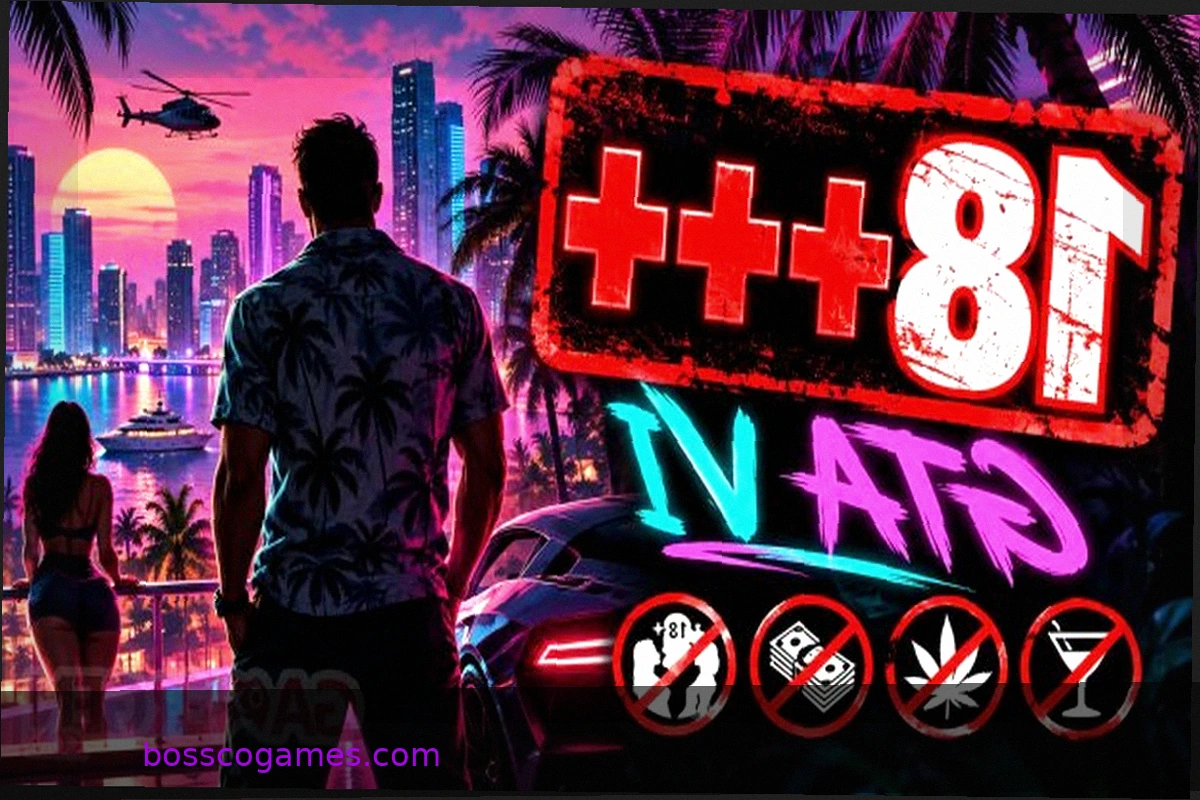
GTA VI: PEGI 18 rating briefly revealed raw details before removal
The PEGI 18 rating for GTA VI reportedly included a brief description of graphic violence, drug use, and sexual content before being removed from the European board's website. These details, cited by several media outlets, offer a glimpse into the adult-oriented content expected in the next Ro
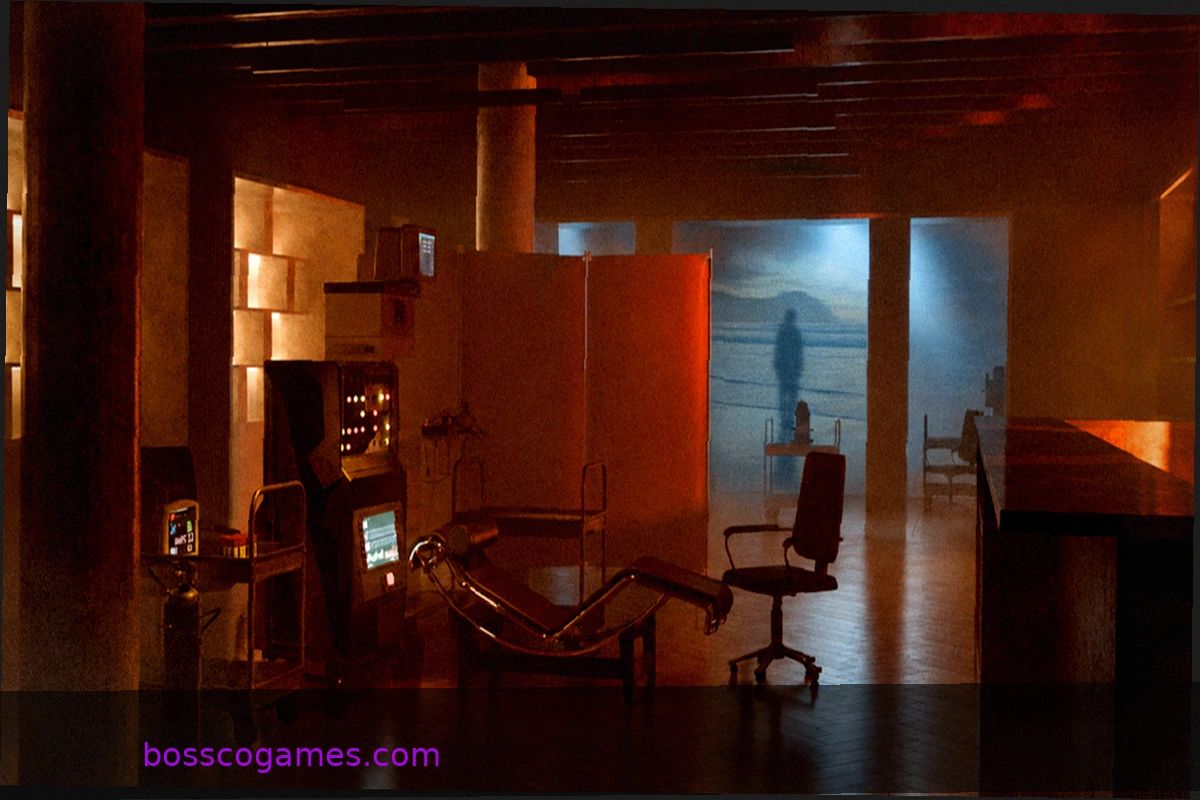
Blade Runner 2099 Brings the (Near) Future to New York Comic Con
If you can't answer questions like whether you'd accept a calfskin wallet as a birthday gift or identify a wasp on your arm without hesitation, you might struggle in the world of Blade Runner 2099. Prime Video's new series, set in the universe of Ridley Scott's original 19

Robert Pattinson's 'The Interview' Anti-Hero: A Star-Making Performance
Robert Pattinson's portrayal of Chris Hansen in The Interview feels almost unnervingly fitting. One might imagine the real Hansen finding a strange satisfaction in being depicted by a Batman actor. Pattinson fully embraces the role, delivering the kind of dramatic close-ups that mid-2
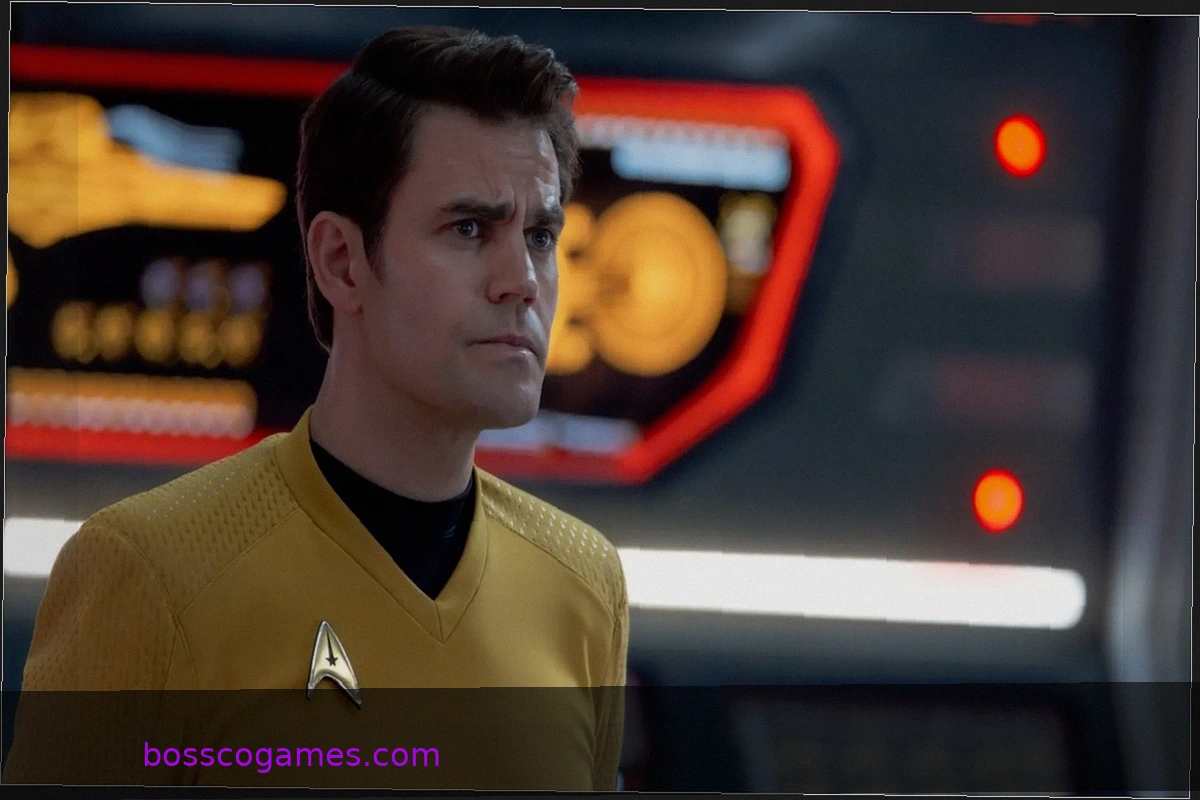
Star Trek: Strange New Worlds Season 4 Episode 8 Review – Orders of Magnitude
Joe Morton delivers an excellent, delightfully unhinged guest turn as Admiral Simon Reeger, a legendary Klingon War-era Starfleet captain who immediately dazzles half the crew and whom anyone watching at home likely realized we couldn't exactly trust. He boards while Captain Pike is of
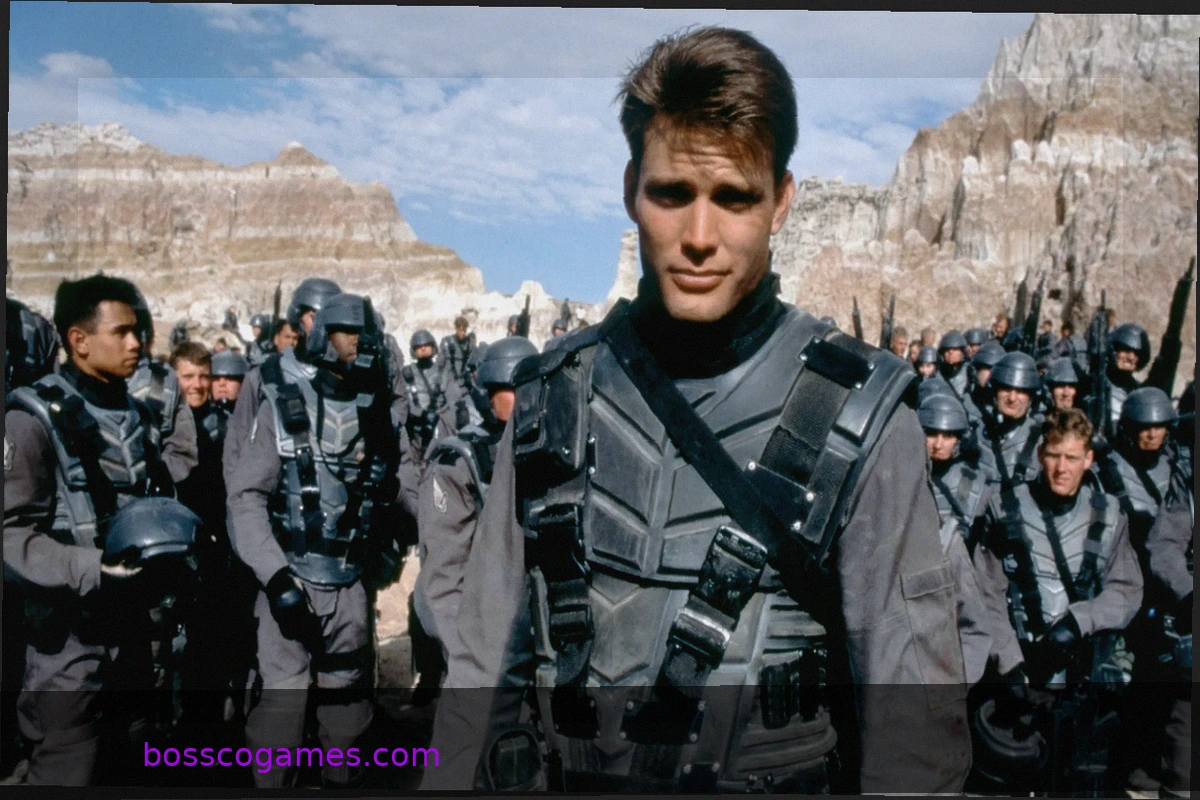
Is the Nazi Metaphor in Starship Troopers Really That Hard to Grasp?
For those unfamiliar with the nuances of the increasingly niche Gen X and millennial pop culture, Starship Troopers was a 1997 film adaptation (and some might argue, an utter betrayal) of Robert A. Heinlein's 1959 science fiction novel of the same name. Directed by Dutch provocateur and cynic Paul
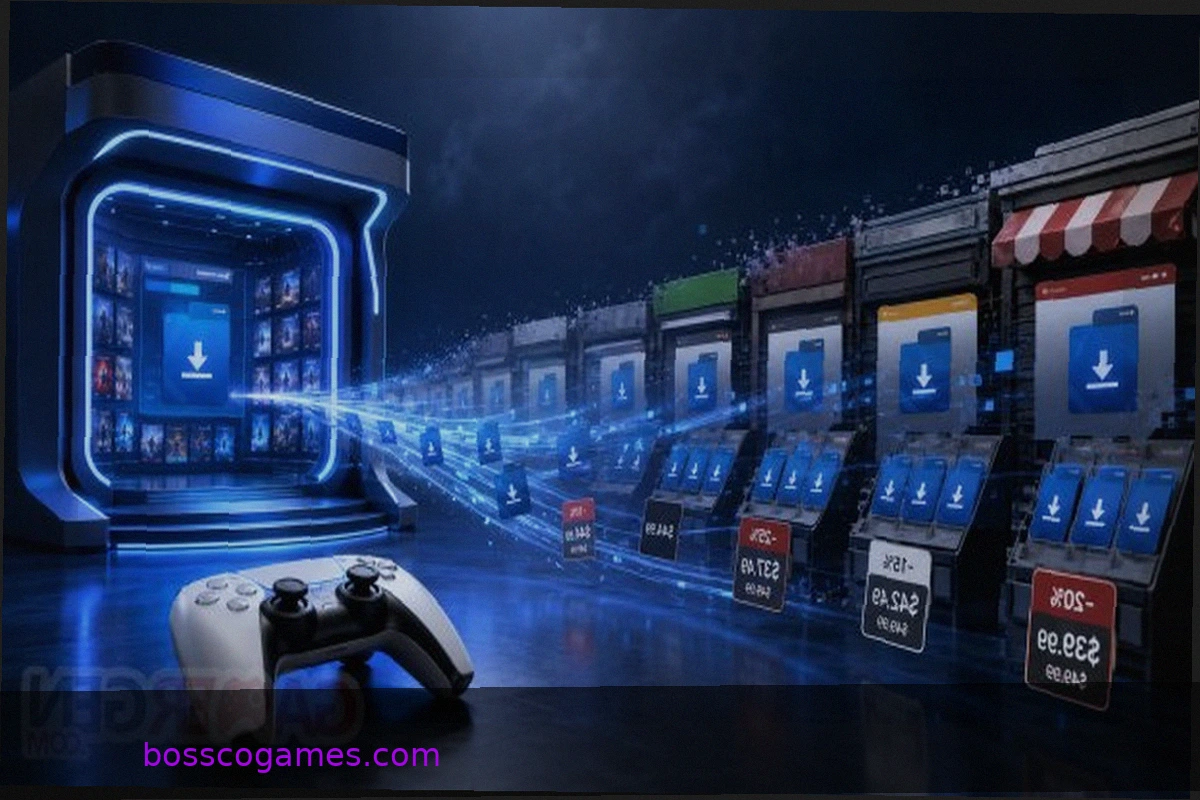
PlayStation Store Lawsuit: Sony Agrees to $7.85 Million Settlement, But Why?
The case dates back to 2019. Until then, retailers like Amazon, Best Buy, GameStop, Target, and Walmart could sell codes for downloading specific games on the PlayStation Store. These resellers were free to offer promotions on these codes, directly competing with Sony Interactive Entertainment