Top 10 Sports Movies of All Time
You don't need to be a sports fanatic to appreciate a good sports movie. While understanding the nuances of baseball history might enhance your viewing of Eight Men Out, and remembering the US vs. USSR hockey upset could deepen the impact of Miracle, these films stand on their own. They possess compelling narratives and structures that offer distinct pleasures. So, even if GeekWire seems to be stepping away from its usual "geek" focus for this list, rest assured, we can still rank sports movies with the best of them.
As a group of, well, geeks, we need to set some ground rules before proceeding. This list excludes movies featuring fictional sports, so no rollerball or Quidditch films will be found here. Furthermore, we're not including pure documentaries, meaning critically acclaimed films like When We Were Kings or Hoop Dreams are out. Lastly, we're sticking to what most people generally consider sports, setting aside edge cases like billiards (The Hustler) or bowling (The Big Lebowski).
With those stipulations out of the way, let's get suited up, hit the field, and fight our way to the top spot!
10. Whip It (2009)
Before you protest that we're violating our own rule about fictional sports, know that roller derby often mirrors the spectacle of professional wrestling; it's very much a real sport. Those skaters endure genuine bruises and breaks, and they are truly competing for actual points. Whip It works because it never shies away from that inherent pomp and circumstance, all while telling a compelling story about real people.
Working from a script by Shauna Cross, who adapts her own novel Derby Girl, and directed by Drew Barrymore, Whip It stars Elliot Page as the teenager Bliss Cavendar. Fed up with the beauty pageants her mother (Marcia Gay Harden) forces upon her, Bliss rebels and seeks a different path to flamboyant glory. Adopting the moniker Babe Ruthless, Bliss joins the Holy Rollers, finding her place among fellow misfits, including Maggie Mayhem (Kristin Wiig), Rosa Sparks (Eve), and Smashley Simpson (Barrymore).
9. Eigth Grade (2024)
Baseball lends itself well to cinema, its unhurried pace allowing for moments of character-driven drama. However, few baseball films are as deliberately paced as the recent, charming independent offering, Eigth Grade. Eigth Grade comes from director Carson Lund, who co-wrote the screenplay with Michael Basta and Nate Fisher, and it aptly takes its name from the famous slow-trickle pitch.
Everything moves at a leisurely pace in Eigth Grade, and that is precisely the point. Set sometime in the 1990s, the film chronicles one last game between the red-ranked Adler’s Paint team and the blue-hued Riverrats, all adults playing beer league ball for the final time before their field is demolished and replaced by a school. Featuring a large cast of mostly unknown actors, Eigth Grade doesn't feel the need to rush from one plot point to another. Instead, it takes its time to luxuriate in the humanity of the indistinct but compelling men who don't want the game to end.
8. Slap Shot (1977)
Slap Shot opens with a French-Canadian player explaining illegal moves in hockey to a news anchor—by demonstrating them on the anchor. This easily kicks off the most raucous and irreverent film on this list. Working from a script by Nancy Dowd, director George Roy Hill and star Paul Newman exaggerate the rough-and-tumble nature of 1970s minor-league hockey, transforming it into a celebration of working-class resilience.
Newman roughens up (but in no way diminishes) his considerable good looks to play Reggie Dunlop, player-coach of the Charleston Chiefs in Pennsylvania. With a steel mill layoff plunging the town into depression, and dwindling ticket sales threatening to put the once-standout players out of work, Dunlop decides to embrace the chaos, turning his team into a spectacle—partly with the help of the lunacy of the Hanson Brothers. Will Dunlop's plan save the day, restore the town, and deliver the team a championship? Not exactly. But that only makes the Chiefs' rage all the more resonant.
7. White Men Can't Jump (1992)
If Slap Shot is about the chaos of amateur sports, White Men Can't Jump goes a step further by observing two trash-talking hustlers in the world of basketball. Writer and director Ron Shelton, whose name will appear again on this list, plays with the inherent comedy in the title. But he also finds notes of dignity in his players, whose love for the game is perpetually at odds with their need to make money.
Wesley Snipes has never been more magnetic than when portraying Sidney Deane, the king of the local basketball courts. When the lanky white Billy Hoyle (Woody Harrelson) shows up, Deane believes he has an easy mark, even after putting money down on the game. But he soon discovers that Billy, a former college basketball star, has been playing him the entire time. The partnership formed by the two yields plenty of hilarious banter. But the real pleasure of White Men Can't Jump comes from the film's look at economic desperation and the hope for an impossible big break.
6. Creed (2015)
The winter of 2015 saw not one, but two legacy sequels to franchises that began in the 1970s. One of them was great, and the other was Star Wars: The Force Awakens. The great one was Creed, Ryan Coogler's extension of the Rocky saga, this time focusing on Apollo Creed's son, Adonis—aka Donnie. Portrayed by Michael B. Jordan, fully establishing his movie-star bona fides, Donnie reorients the Rocky narrative, without undermining the grit of the original.
Unlike the Italian Stallion who started it all, Donnie begins the film on the run from his life as a financial services executive to engage in illegal Mexican fights. When he realizes he can no longer outrun the complicated legacy left by the father he never knew, Donnie relocates to Philadelphia, where he persuades Rocky Balboa (Sylvester Stallone) to train him as a true fighter. Likewise, Coogler and his co-writer Aaron Covington never shy away from the shadow cast by the original films. But also like Donnie, Creed finds its own path, thanks to solid choices, including a bravado early in the film.
5. Hoosiers (1986)
"My team is on the floor." In lesser hands, that declaration, made by a high school basketball coach about his underdog squad, would sound trite and obvious. But in Hoosiers, directed by David Anspaugh and written by Angelo Pizzo, it carries weight and resilience—and not just because it comes from the lips of the legendary Gene Hackman.
Yes, Hackman brings the full force of his serious screen presence to Norman Dale, who arrives in a small 1950s Indiana town to teach civics and coach the school's failing basketball team. And yes, Hackman has ample opportunity to play Dale as a demanding coach who dismisses the star player for insubordination and who defends his choice of former college great and current alcoholic Wilbur “Shooter” Flatch (Dennis Hopper) as an assistant coach. But Anspaugh surrounds the film with such wholesome, rural tones that Coach Dale’s declaration feels both aspirational and thoroughly grounded.
4. Challengers (2024)
In any other sports movie, a final shot of a player’s wife leaning in to yell, "Come on!" would read as triumphant. But Challengers isn't about celebrating winners, even though it’s about tennis players at the top of their game. Instead, director Luca Guadagnino and screenwriter Justin Kuritzkes portray the destructive nature of the lust for victory, without diminishing the shared desire between the three central characters.
Josh O’Connor and Mike Faist play Art Donaldson and Patrick Zweig, two tennis stars who grew up together. Their friendship turned intimate and eventually fractured with the arrival of Tashi Duncan (Zendaya), a would-be star whose career ends after an irreparable injury. When Tashi leaves Patrick for Art, she pours her energy into his career, pushing him to be the best, regardless of what he might want. The tensions coalesce into a showdown between Patrick and Art that unfolds throughout the film, the stakes heightened by Guadagnino’s audacious shot choices and a synth score by Trent Reznor and Atticus Ross.
3. Rocky (1976)
Much like with Sylvester Stallone’s other great franchise, Rambo, it’s easy to forget where Rocky began. The Rocky sequels devolve into little more than flashy montages and ridiculous fight scenes, culminating in Rocky winning the Cold War by defeating the Russian champion. But the first Rocky has none of that flash and excess, telling the story of a man who is always going to be a loser.
Working from a screenplay he wrote himself, Stallone uses his soulful eyes almost as much as his biceps. Rocky spends his nights losing fights in the ring and his days working dead-end jobs, sometimes breaking fingers for a local bookie. But when the flamboyant champion Apollo Creed (Carl Weathers) agrees to fight a local Philadelphia palooka as a publicity stunt, Rocky gets his shot at the title, even convincing the surly Mickey (Burgess Meredith) to manage him and earning the heart of the shy pet store clerk Adrian (Talia Shire). Despite the victories he achieves, and despite the propulsive sounds of Bill Conti’s score, director John G. Avildsen adheres to Stallone’s script and keeps the stakes small and human.
2. Bull Durham (1988)
Anyone reading the plot synopsis for Ron Shelton’s Bull Durham would be forgiven for dismissing it as a crude 1980s comedy. Set in Durham, North Carolina, the film follows the losing Class A team, the Durham Bulls, whose season might turn around if the "baseball groupie" Annie (Susan Sarandon) can inspire—or seduce—one of the players. The two players in contention are catcher Crash Davis (Kevin Costner), who is past his prime, and rookie pitcher Ebby Calvin LaLoosh (Tim Robbins), whose rocket arm could send him to the majors if only he could aim.
Whatever distasteful elements might exist in a premise involving two men fighting over the right to sleep with a groupie, Bull Durham never feels less than human. Certainly, the film gets broad at times, especially when Robbins channels The Hudsucker Proxy's Norville Barnes. But Shelton maintains a steady tone, keeping the characters’ motivations real, which makes the baseball—and the fiery chemistry between the leads—consistently captivating.
1. Raging Bull (1980)
Raging Bull is the anti-Rocky. Where Stallone plays a fundamentally good-hearted lunk who just needs a chance, Robert De Niro plays the real-life boxer Jake LaMotta as a truly despicable human being—someone who only knows how to hit people in his life, whether or not he’s in the ring. But Martin Scorcese, working from a screenplay by Paul Schrader and Mardik Martin, never allows LaMotta to be less than human, even as the film makes clear we don't want to root for him.
Raging Bull achieves this feat partly by focusing on the relationship between Jake and his brother Joey (Joe Pesci), the only person who can truly love the brutal fighter. It also does so with the film’s incredible, visceral fight scenes. To this day, no boxing film has matched the power and loneliness of Raging Bull's boxing sequences, not because they are realistic; rather, because they capture the psyche of a man who only knows how to hit and be hit.
Fresh materials — Gaming News
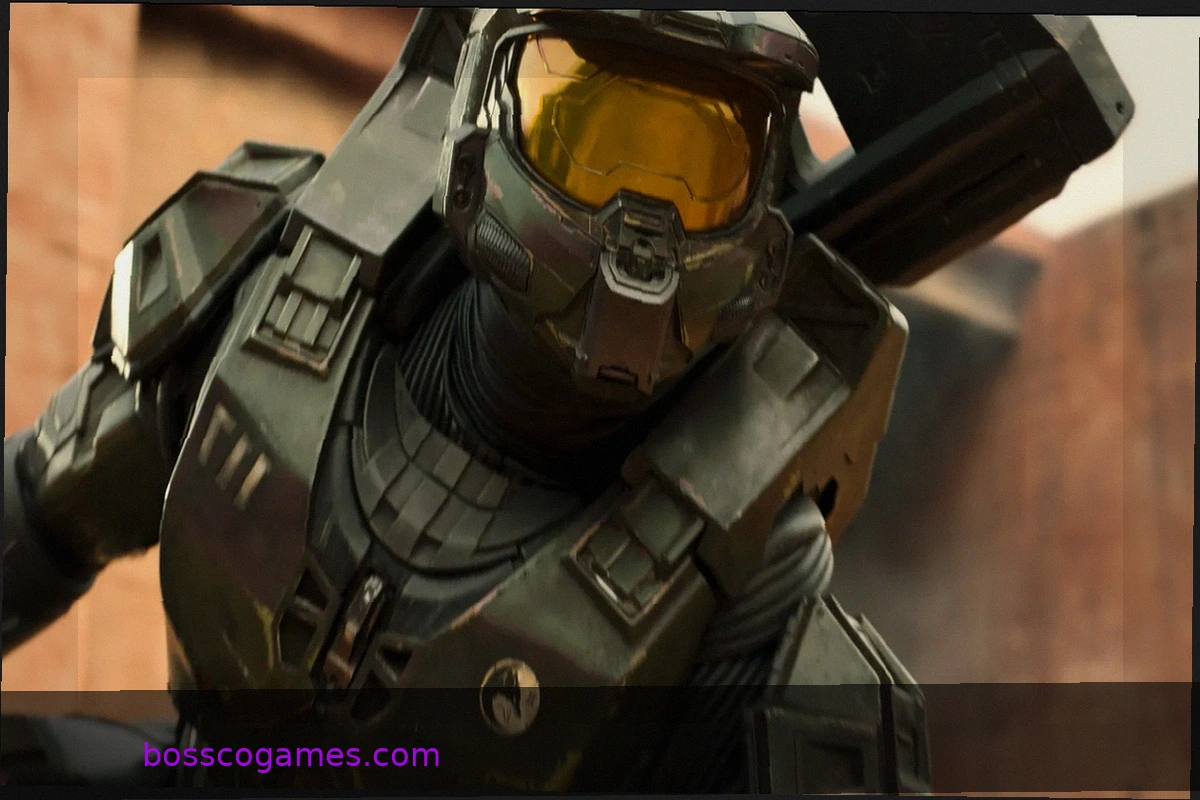
Halo Episode 1 Review: Initial Contact
Halo Episode 1: Contact Launching a Halo television show in 2022 feels unusual. While the franchise was a major Hollywood topic in the 2000s, the Halo series as a whole seems less significant now. Though the latest game, Halo Infinite, received positive reviews
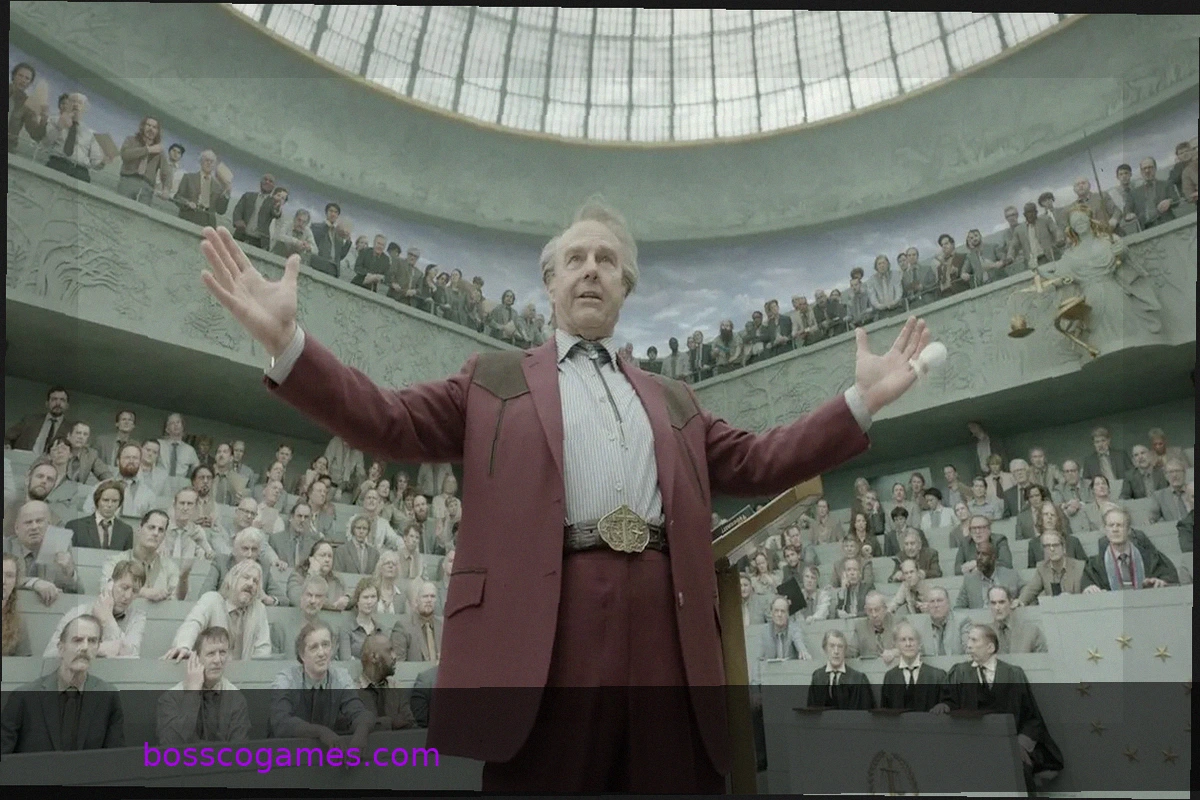
Why Movies Struggle to Portray the Apocalypse Realistically
For a film about the end of the world as we know it, Digger has trouble truly imagining what that might look like. The film's conclusion, by Alejandro G. Iñárritu, shows New York City streets submerged, survivors clinging to life rafts, w
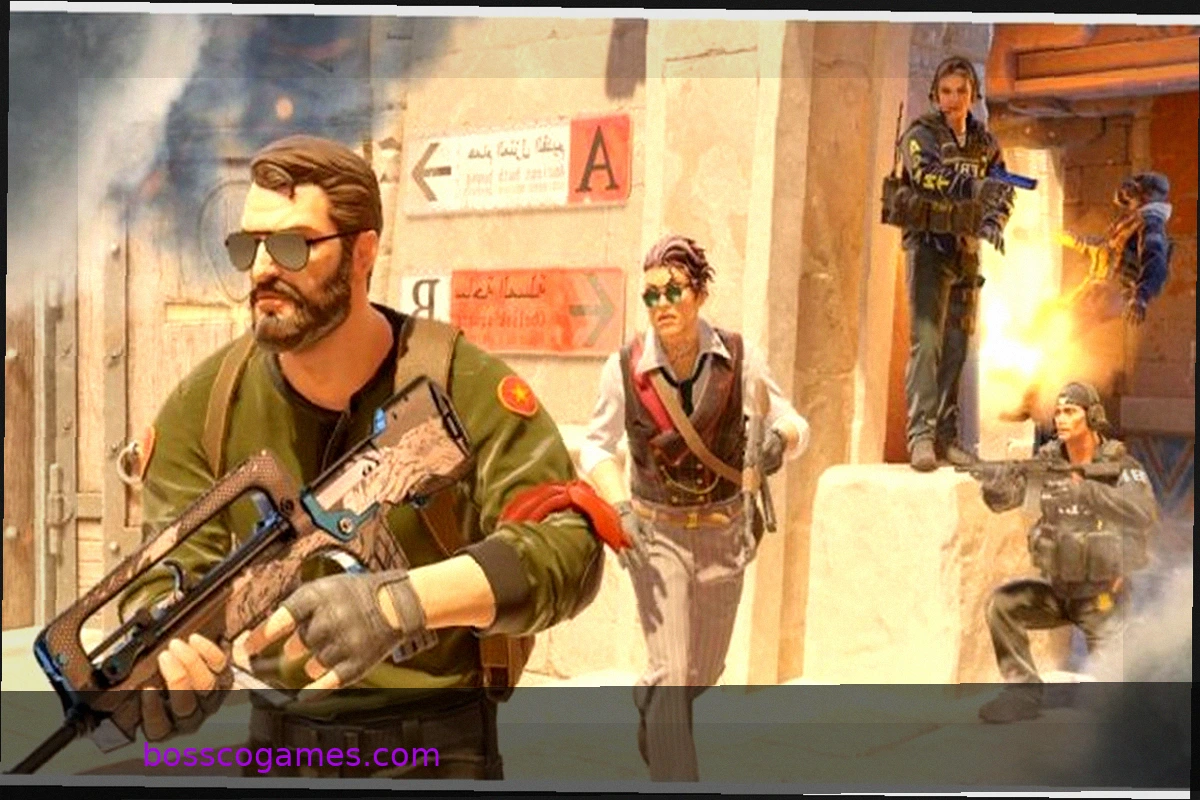
1win CS2 Team Earns $100,000 Bonus After Upsetting Team Spirit
The 1win Counter-Strike 2 team defeated top-ranked Team Spirit 2-0. This win secured 1win a playoff berth at Spodek Arena and earned them a $100,000 bonus from the 1win owner for the significant achievement. This victory caps a strong group stage performance for 1win. After an
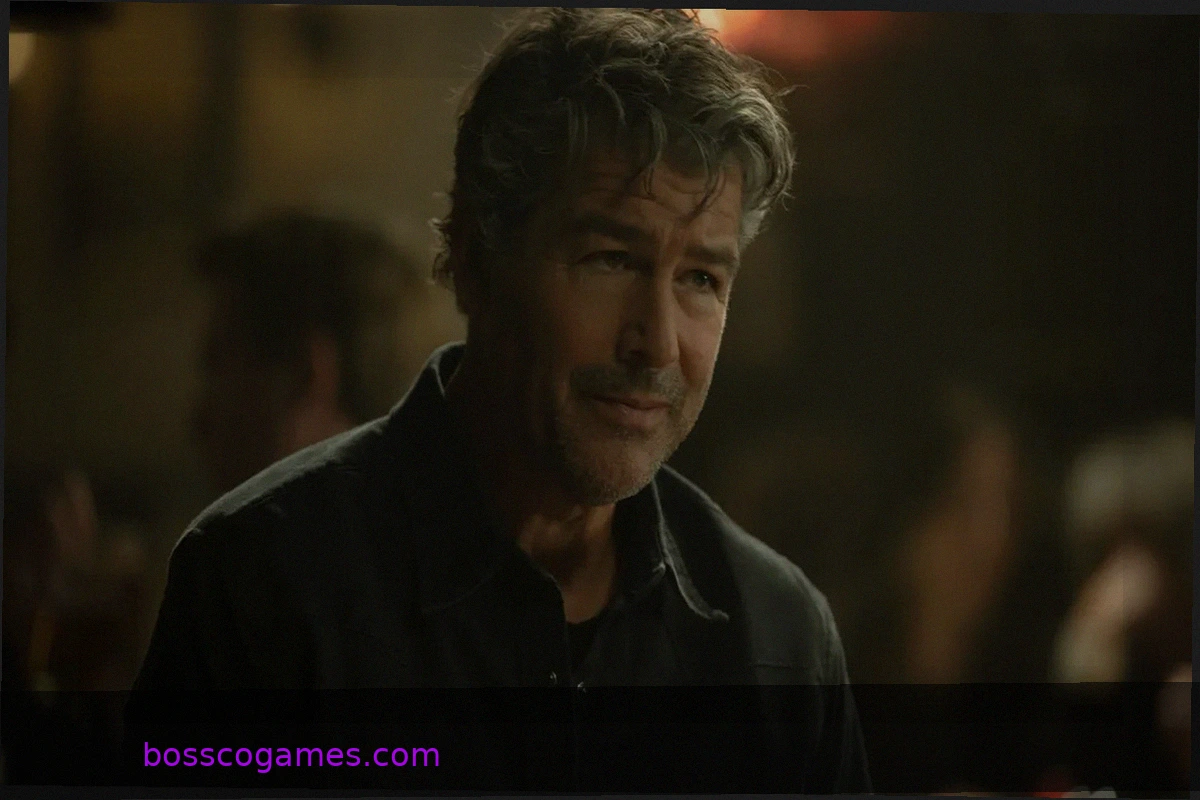
Lanterns Finale: Hal Jordan's Comic Return Path Remains Open
The Green Lanterns series finale concluded with Hal Jordan still dead, his bullet-riddled body frozen on a high school football field. Even the Hal-o-Gram, which allowed him to interact with John Stewart, vanished. However, despite the show's departure from the comics and Hal's definitive end i

The Batman: Part II Production Paused Amidst Family Matters
Robert Pattinson's Batman faces another setback, as production on The Batman: Part II has paused. Director Matt Reeves has temporarily stepped away from the project to attend to a family matter. The film's journey to the screen has been a long one. Six years after the first ins
GTA VI: PEGI 18 rating briefly revealed raw details before removal
The PEGI 18 rating for GTA VI reportedly included a brief description of graphic violence, drug use, and sexual content before being removed from the European board's website. These details, cited by several media outlets, offer a glimpse into the adult-oriented content expected in the next Ro